

Physical Therapy: 7 Things Most People Get Wrong
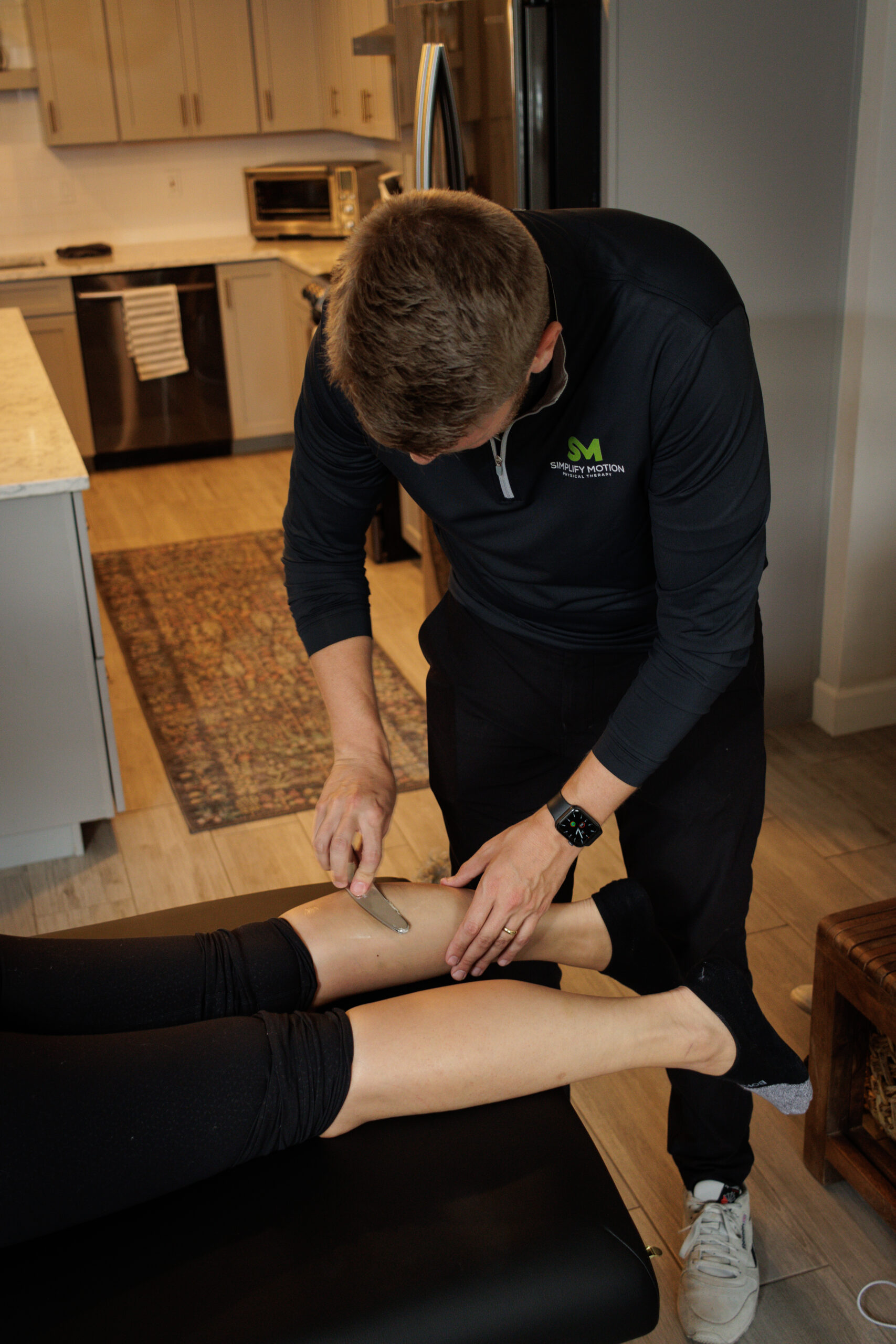
Physical therapy gets lumped into a lot of assumptions. Some are outdated. Some are flat-out wrong. Here are the most common misconceptions I see—and why they matter if you actually want results.
1. Physical therapy is just stretching
Stretching can be part of a plan, but it’s rarely the solution. Most pain problems come from poor control, limited strength, or joints doing work they weren’t designed to do. Stretching alone doesn’t fix that.
2. Pain tells you where the problem is
Pain tells you where the symptom is, not where the cause lives. Low back pain often starts at the hips. Elbow pain often starts at the shoulder. Orthopedic physical therapy looks upstream and downstream instead of chasing pain.
3. You need imaging before you start
Most musculoskeletal problems don’t require an MRI to treat effectively. Movement quality, load tolerance, and symptom behavior usually tell us far more than a scan.
4. You should wait until pain is severe
Waiting almost always makes rehab longer and harder. Early physical therapy focuses on restoring motion and control before compensation patterns lock in.
5. All PT programs look the same
They shouldn’t. Cookie-cutter rehab misses individual anatomy, sport demands, and training history. Good PT is built around the person, not the diagnosis.
6. You’re “done” when pain is gone
Pain relief is a checkpoint, not the finish line. Returning to golf, lifting, or long rounds requires rebuilding tolerance—not just feeling okay for a few days.
7. PT is only for injured people
Many people use physical therapy to move better, train smarter, and avoid injuries altogether. Prevention is still care.